If you've got a website, there's a good chance you've done it already. You've typed your web address into ChatGPT or another AI tool, asked it to check your site, and it's come back with a long list of things that are apparently wrong.
We're seeing this more and more. Customers copy and paste the whole list and send it over to us, and we completely understand why. It looks official, it's full of technical terms, and it makes it sound like your website is falling apart.
It isn't. So I want to explain what these audits actually are, what they miss, and why a list of faults isn't the same thing as knowing SEO.
What an AI audit actually is
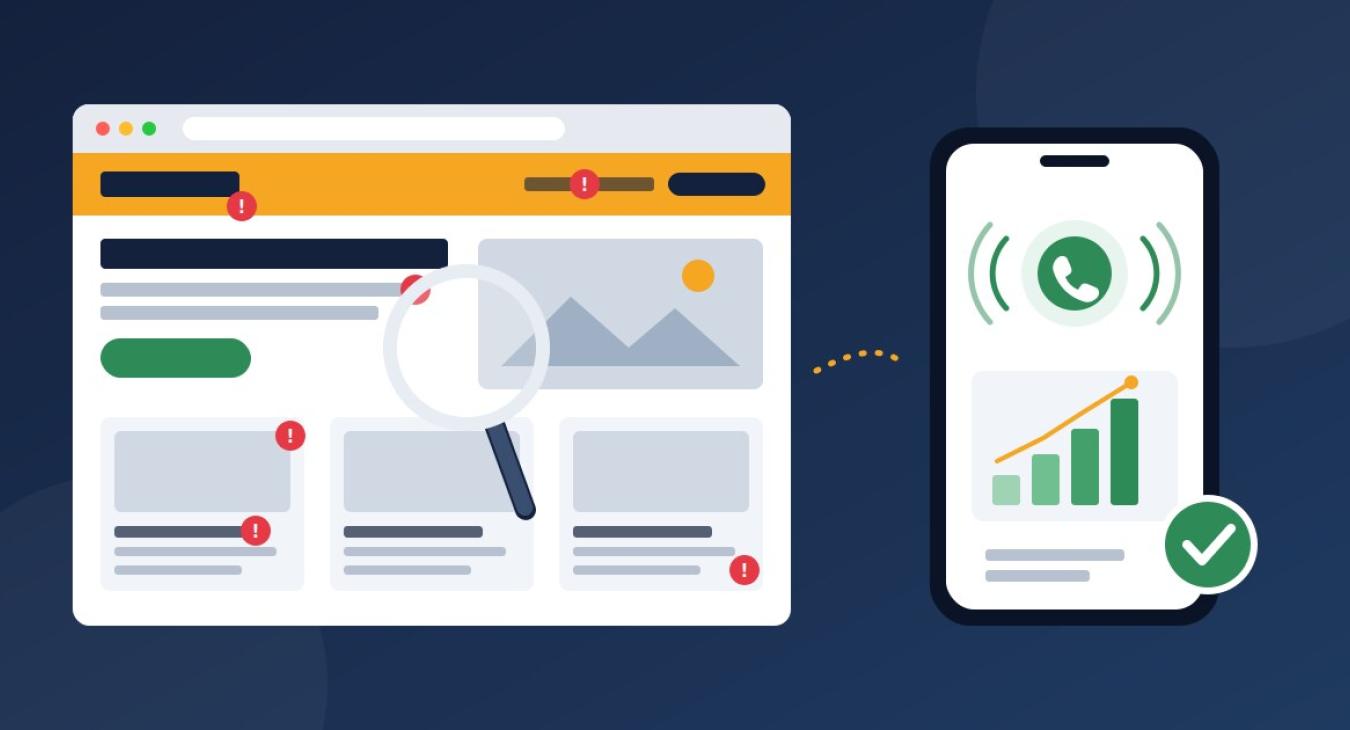
An AI tool reads the code of your website and checks it against a list. Missing alt tag? Flagged. Meta description a few characters too long? Flagged. A spelling mistake in a page title? Flagged.
What it can't do is tell you which of those things actually matter. One image without an alt tag out of 300 gets listed right next to a genuine problem, as if they're equally urgent. They're not. Google said years ago that it doesn't use the meta description as a ranking factor at all, yet you'll find it near the top of almost every AI audit.
The tool has no sense of proportion. Its job is to find something to say, and on any website there will always be something.
It's easy to pick fault on someone else's rewire
I was an electrician for years before I got into websites, so let me put it in terms every tradesperson will understand.
Get another electrician to look over a rewire you've just finished and he'll find something. A cable clip he'd have put somewhere else. A circuit label on the board he'd have worded differently. Is the job wrong? No. It's safe, it's compliant and it does exactly what it's meant to do. But it's always easy to stand back and pick fault on a job someone else has done.
That's exactly what an AI audit is doing. It's the bloke looking over your shoulder, pointing out what he'd have done differently, without having done the job himself or knowing why you made the choices you did.
We've been here before
None of this is new. Years ago there were websites everywhere where you could type in your address and get a free SEO score or check your Google PageRank. Tradespeople would get 62 out of 100 and panic, and every one of those sites had a paid service ready and waiting to fix it.
AI audits are the same thing with a friendlier voice. They sound more convincing because they write like a person, but underneath they're still a checklist. A high score never made your phone ring back then, and a clean AI audit won't make it ring now.
What AI can't see
This is the big one. An AI tool looking at your website can only see the code on the page. It can't see:
- Where you actually rank on Google for the jobs you want
- Your Google Search Console data, which is Google telling us directly how it sees your site
- How many calls and enquiries your website brings in
- Your area, your competition and the kind of work you want more of
Those are the things that matter, and they're what we measure your website against. A website with a couple of small imperfections that keeps your phone ringing is a good website. A technically perfect website that nobody finds isn't.
Our websites are built the old school way. Every page is written by a real person, with proper headings, images with alt and title text, and content written about your business and your area. We don't bulk generate hundreds of pages with AI. A site written by humans will have the odd imperfection, and Google understands that. What Google has been clamping down on is pages churned out in bulk for the sake of it.
AI gets SEO wrong too
Here's something people don't realise. AI tools learn from what's written online, and there's a huge amount of outdated and plain wrong SEO advice out there. The AI can't always tell the difference.
I use AI every day in my business and it's a brilliant tool. But I've had to correct it on SEO more times than I can count. It'll confidently tell you something is best practice when it stopped mattering years ago, or never mattered at all. A good example right now is the llms.txt file, which a lot of AI audits are telling people to add. Google has said it doesn't use it, and there's no evidence it does anything yet.
I've been doing SEO for over 20 years and I'm still learning every day. Reading a few articles or asking a chatbot doesn't replace that. It's the same as any trade. You wouldn't let someone who'd watched a few YouTube videos rewire your house.
So what should you do?
Don't let it knock your confidence in your website.
If you've run an audit and something genuinely looks wrong, like the wrong phone number, old opening hours or a page that isn't working, let us know and we'll sort it. Those are real problems and we want to hear about them.
For everything else, judge your website on what actually matters. Is it ranking? Is your phone ringing? Are you getting the enquiries you want? If you're ever unsure how your site is performing, talk to us. We'd much rather have that conversation than have you worrying over a list of alt tags.