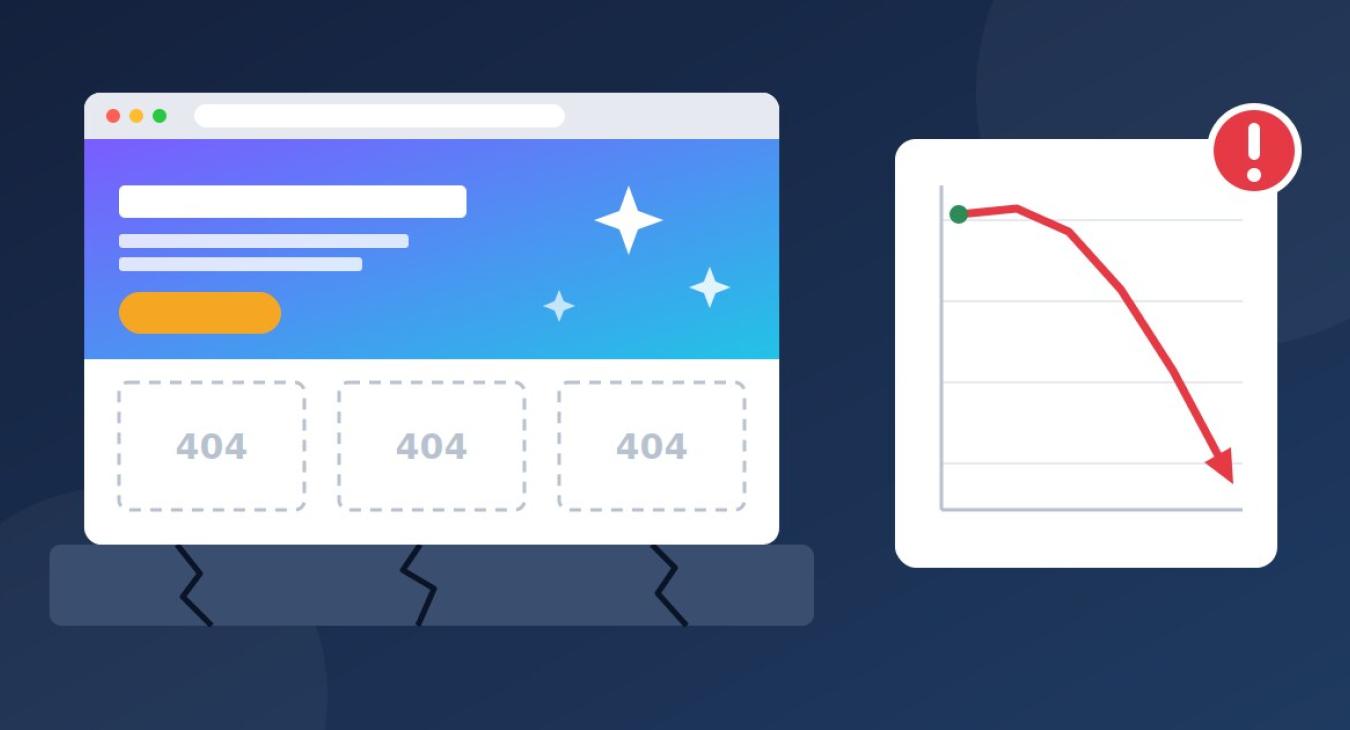
There's a new breed of website company popping up everywhere at the moment. They promise tradespeople a stunning website built with AI, packed with service pages, ranking on Google within days. The sites look slick, they're quick to turn around, and plenty of tradespeople are paying good money for them.
I've been doing this for over 20 years, and I've seen a few of these sites up close now. Some of them look fantastic on the surface. Underneath, it's a very different story.
AI can build a great website, in the right hands
Let me be clear. I've got nothing against AI. I use it every day in my business. In the hands of someone who really knows SEO, AI could help build a fantastic website with everything in it that Google wants to see.
The problem is that most people don't have that knowledge. AI will build exactly what you ask it to, and if you don't know what a website needs to rank, you don't know what to ask for in the first place. You end up with something that looks the part but is missing the things that actually matter.
It's like handing someone the best set of tools money can buy. It doesn't make them an electrician.
What I found under the bonnet
I recently looked at a tradesperson's website that had been rebuilt by one of these AI agencies. It looked great. Here's what I found when I looked at the code.
The pages were empty. View the page source and there was no text at all, just an empty box. The whole page was built by JavaScript in the visitor's browser. Google can read that eventually, but it has to come back and do extra work to see it, which is slower and less reliable. Many AI search tools don't run JavaScript at all, so to them the page is blank. That's quite something for an AI website.
Every page said it was a copy of the homepage. In the code, every page had the same title, the same description and a tag telling Google the homepage was the real version. That's like every van in your fleet being registered with the same number plate.
Five years of blogs were gone. The old site had years of useful articles. None of them made it across, and none were redirected. Every link and bit of trust those pages had built up with Google now leads to an error page.
The new blog was the same post four times. Four articles, all basically "electrician in [town]" with the words shuffled around. They weren't written for customers. They were written for keywords, and they end up competing against each other.
Why it can still rank, for now
Here's the bit that catches people out. That website was still ranking well. So the tradesperson thinks the new site is doing a great job, and so does everyone they tell about it.
What's actually happening is that Google trusts the old signals for a while. The reputation the old site built up over years doesn't vanish overnight. But as Google works its way back through the site and keeps finding dead pages and duplicate content, that trust starts to slip. It rarely happens all at once. It's a slow slide over a few months, and by the time you notice the phone has gone quiet, the damage is done.
Ranking well the week after launch proves nothing. What matters is where you are in six months.
Google doesn't care who wrote it
A lot of people think Google penalises AI content. It doesn't, not in itself. Google has been clear that it rewards content that's genuinely helpful, however it was made.
What Google does go after is something it calls scaled content abuse. That's churning out lots of pages mainly to try and rank, rather than to help the people reading them. It doesn't matter whether a person or AI made them. If the point of the pages is to game Google, they're against its spam policies.
And that's exactly what I see with so many AI built sites. A hundred service and area pages generated in an afternoon and dumped on the website, all saying roughly the same thing with a different town name swapped in. The people building them often don't even know that policy exists. The AI didn't break Google's rules. The person using it did, because they didn't know any better.
Churn and burn
This is what really gets me. Tradespeople are paying these companies good money for a website that, in reality, the company hasn't built. AI has built it. And the person selling it often has no real grounding in what a website should or shouldn't do.
In over 20 years I've watched companies like this come and go more times than I can count. They pop up, take what they can from their customers, and when the websites start falling apart, they disappear and start up again under a new name. In the SEO world we call it churn and burn.
Competition is good. I've got no problem with new companies coming into the industry. My problem is with tradespeople being sold something that looks great today and leaves them stranded tomorrow, with nobody to pick up the phone when it goes wrong.
Before you switch, ask these questions
If a company is offering you a shiny new website, ask them:
- What happens to my existing pages and blogs? Will every old page be redirected to the right new one?
- Is the content on my pages written by a person who knows my trade, or generated in bulk?
- Can Google read my pages straight away, or does it have to run JavaScript to see them?
- How long have you been doing this, and can I speak to customers you've looked after for five years or more?
- If my rankings drop in six months, what will you do about it?
If they can't answer those clearly, walk away.
At My Local Trades, we've been building websites for tradespeople for years, and we're not going anywhere. Every page is written by a real person, built properly, and looked after by people who understand both SEO and the trades. When something needs sorting, you can pick up the phone and talk to us. That's the difference between a website company and a quick buck.