Everywhere you look right now there's a new sort of expert. The AI expert. People who got into AI five minutes ago and are already telling tradespeople how to run their marketing with it. The pitch rarely changes. Tell an AI what you want and it builds your website. Tell it your blog topics and it writes your posts while you sleep. No code, no copywriter, no fuss. For a busy electrician staring at a quiet enquiry inbox, it sounds like the answer to everything.
I've been building websites for tradespeople since 2008, and I was a sparky for fifteen years before that. Right now I run around 140 of them, on my own servers, for electricians all over the country. So let me be the one to tell you plainly where this goes wrong. Not because AI is useless. I use it every single day. But the shortcut everyone is being sold quietly skips the two things that actually make a trade website earn its keep.
"Sounds human" is not the same as "ranks"
Most of the advice floating about right now is aimed at one problem: making AI text stop sounding like AI. Strip out the giveaways. The "here's the thing", the everything-in-threes, the punchy one-liner at the end of every paragraph, the dashes. Good. Those are sensible writing rules and your Facebook posts will read better for it.
But that fixes how the content sounds. It does nothing about whether the content actually says anything. You can polish a blog until it reads like Shakespeare and it can still be substantively empty. It can still be the same generic "5 signs you need an electrician" article that sits on ten thousand other websites already.
For social media and email that might be fine. The people reading already know you, the post is gone in a day, and nobody is ranking it against anyone. Search is a completely different game. There you are dropped into a ranked contest where the entire system is built to find the most genuinely useful answer and bury the average one. Sounding human gets you nowhere if you've nothing real to say.
The bit a robot can't fake
Google grades content on four things, and the first one is the one that matters here: Experience. First hand, demonstrable, been-there experience.
An AI has never crawled under the stairs cupboard in Chatham looking at a consumer unit held together with hope and electrical tape. It has never explained to a worried homeowner why their EICR came back with a C2. It has never priced a rewire on a 1930s semi. It can imitate the shape of that knowledge, but it cannot have the knowledge, because it was never there.
That is the whole ball game. The thing that makes a trade website rank and convert is precisely the thing AI cannot manufacture, your actual experience, your real jobs, your local knowledge, the answers to the odd questions customers genuinely ask you. A machine can help you write it down faster. It cannot supply it.
And remember what the content is even for. You're not writing a blog to tick a box. You're writing it to prove two things at once. To Google, that you have real expertise and real experience behind you. To the person reading it, a homeowner, a landlord, a letting agent, someone who can't tell a good electrician from a bad one, that you're the one who knows what they're doing and deserves the call. Every other bit of decent trade marketing does this. The videos, the before-and-afters, the job photos, they all exist to show you're the expert. AI content polished to "sound human" does the opposite. It says nothing, only it says it smoothly. That defeats the whole point of putting content out in the first place.
Show the job, don't describe the trade
Here's the difference in practice, because this is the part you can actually use tomorrow.
What an AI gives you
"There are several reasons your upstairs lights may stop working. It could be a tripped circuit, a faulty switch or a wiring fault. A qualified electrician can safely diagnose and repair the problem."
Reads fine. Proves nothing. It could have been written by anyone, about anyone, and a hundred other sites already have it almost word for word. Now here's the same topic written by someone who was actually there.
What actually works
"I got a call last week where a customers upstairs lighting wasn't working. This was in a three-bed semi on London Road. The downstairs lighting was fine, which usually points to one circuit. After some fault finding and tracing the upstairs lighting cables, I found a loose neutral in a junction box in the loft. This is quite common on houses of that age and in this area where the connections have worked loose over the years. Twenty minutes to put right and test. The owner had been expecting a much bigger job. They were over the moon that this fixed the issue with no mess."
One of those ranks and gets you the call. The other gets you buried. The difference isn't the writing. It's that the second one happened, and you can tell, because no machine could have invented the loose neutral in the loft or the owner about to redecorate for nothing. That specific, slightly odd, real-world detail is the fingerprint of genuine experience, and it's exactly what AI cannot fake. So niche right down. The street, the type of house, what you found, what you did, what it meant for the customer. That is what proves you're the expert, to Google and to the person reading.
The bar has moved. It isn't enough for content to read well anymore. Google got clever enough to tell the difference between someone describing a trade and someone who actually does it, and it now rewards the second one.
The blog-on-a-timer trap
The advice I see worrying me most is the one that tells you to schedule a fresh AI blog every Sunday night, automatically, forever. On paper it looks like free content. In practice it is the single fastest way to get your site quietly throttled.
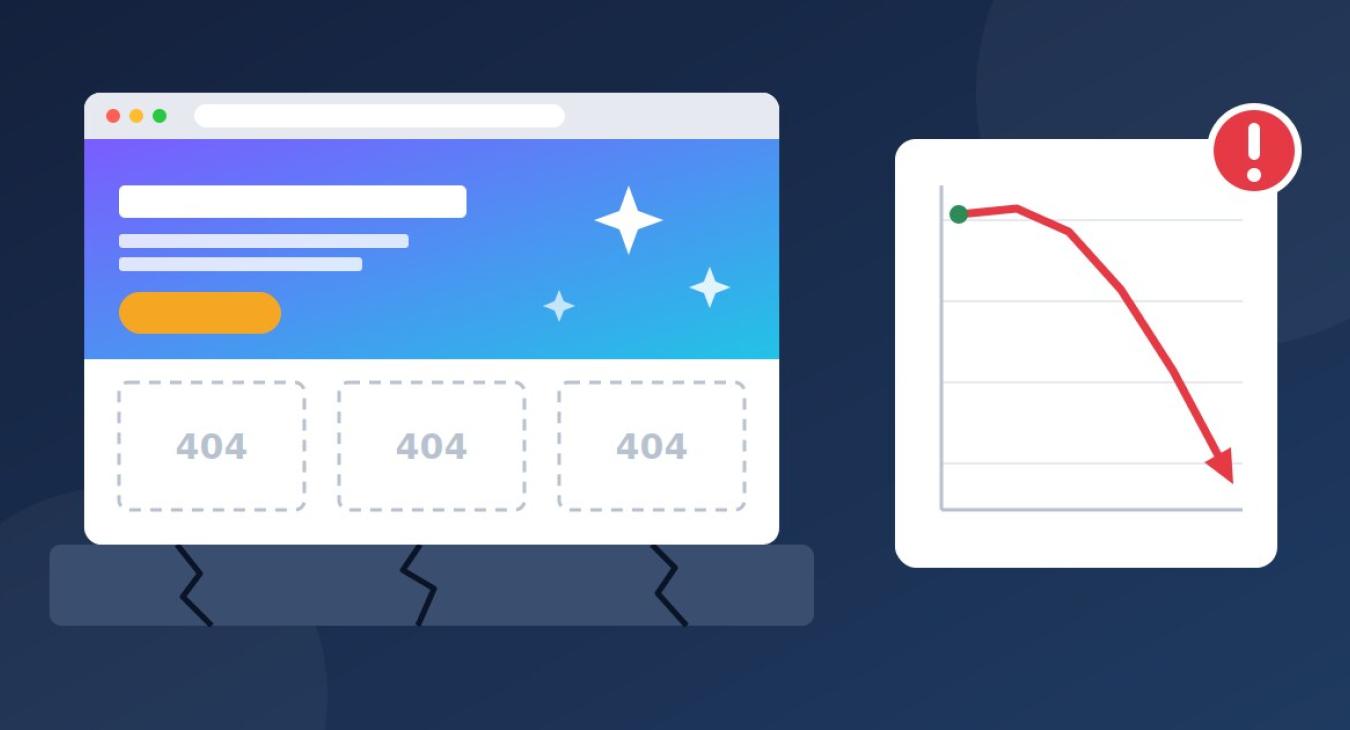
Google now has a name for this and a policy aimed squarely at it: scaled content abuse. It means churning out volume to chase rankings rather than to help anyone, and it does not matter whether a human or a machine wrote it. The March 2026 update made this a headline target. Sites that had been quietly stacking up AI pages without proper human oversight lost between half and four fifths of their traffic in a fortnight. Gone, more or less overnight.
Their content was not even badly written. Plenty of it would have passed the "sounds human" test with flying colours. It got buried anyway, because it was thin, average and had no real experience behind it. Cranking the handle faster only gets you to that cliff edge quicker.
The website you can't see the inside of
The other half of the pitch is "just tell the AI to build the site". Here I'll be fair, because I do exactly this myself every day. AI is brilliant for a draft, a landing page, getting something on screen to work from. I use it to write code constantly.
But there's a difference that is the whole point. I've been writing code for twenty years. PHP, JavaScript, HTML, CSS, the lot. When AI writes me a block of code it isn't doing the thinking, it's just typing faster than I can. I still read every single line, because I understand what it means and I can see when something's not right. That's a human checking the work, not a human trusting it blind.
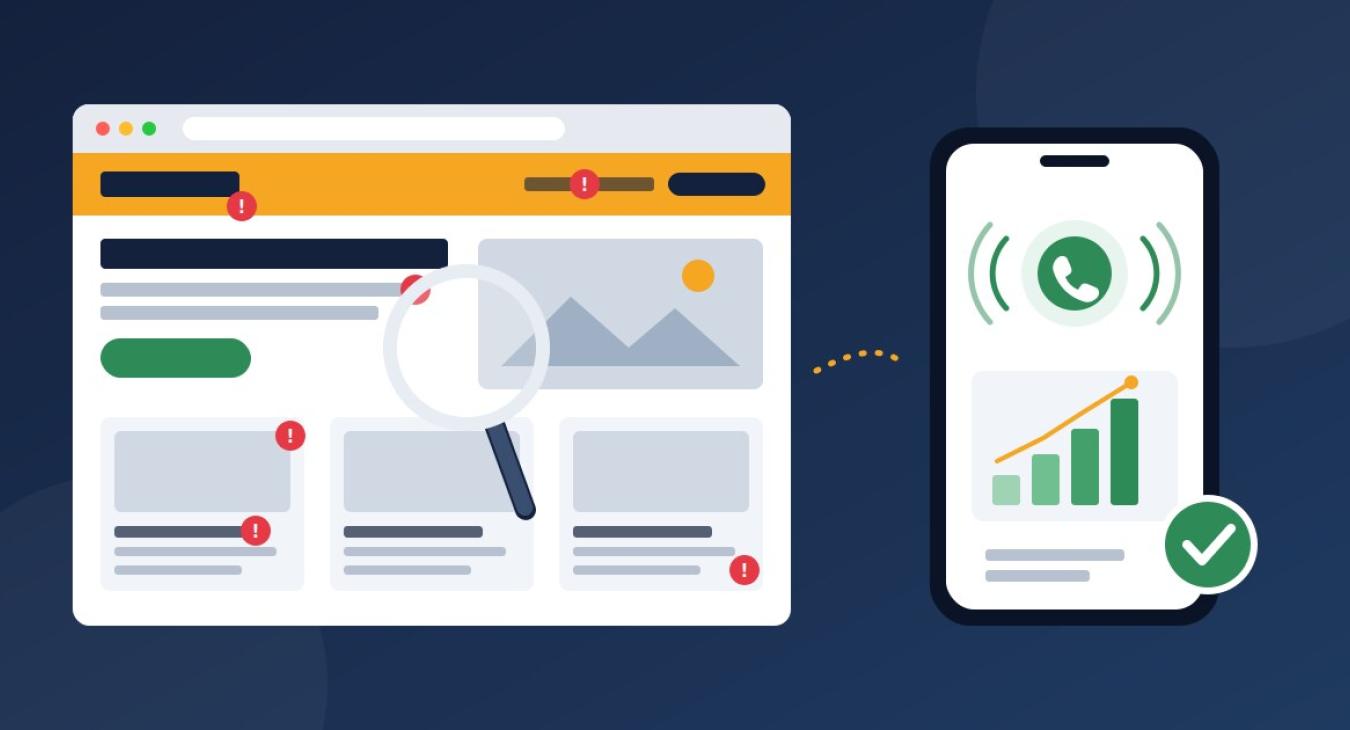
Now picture someone who has never written a line of code in their life doing the same thing. The AI hands them a site that looks like it works, and they put it live, because they have no way of reading what's underneath. They can't catch a security hole because they wouldn't know one if they were staring at it. The moment that site is taking enquiries, holding customer details or handling payments, that's a real problem sitting under your name with your customers' data on it. "I'll get a professional to check it" only helps if you know enough to brief one and understand the answer. With your reputation on the line, that's not a corner I'd cut to save a few quid.
The expert problem
Something else has come with all this, and it bothers me more than any single tool. AI has minted a wave of overnight experts. People who read up on something for a fortnight, had a play, and now stand in front of a room full of tradespeople handing out advice as though they've done it for years.
So here's the test I'd apply to anyone telling you how to do your SEO, and that includes me. What have you actually built, and what has it ranked? Not what have you read. What have you done, in the real world, that you can point at. SEO is a long game. You only learn what holds and what quietly falls over by doing it for years and watching the results land. There is no shortcut to that, and no amount of confidence stands in for it.
You already know this in your own trade. You wouldn't let someone loose on a consumer unit because they'd watched a few videos and felt sure of themselves. The qualification is the time on the tools, the jobs that went sideways, the things you only learn the hard way. This is no different. Before you take anyone's advice on your website or your content, ask what they have genuinely done with their own. If the honest answer is "not a lot yet", that's the blind leading the blind, and it's your traffic and your reputation on the line, not theirs.
So is AI a waste of time? Absolutely not
None of this is me telling you to avoid AI. That would be daft, and it would make me a hypocrite. Used properly it is the best assistant a small business has ever had.
Use it to tidy a handwritten job sheet into something legible. Use it to draft a reply you then put your own voice into. Use it to talk through a tricky quote, or to play the awkward customer so you can sharpen your pitch. Use it to get a first draft of a blog down on the page in two minutes instead of an hour.
The line is simple. AI is the labourer, not the electrician. It fetches, drafts and tidies. You bring the experience, you make the calls, and your name goes on the work. Keep a real person and real expertise at the centre of everything that touches your website, and AI makes you faster. Hand the whole job over to the machine and let it run on a timer, and you are building your business on sand.
The short version
You cannot prompt your way to the top of Google. The thing that ranks is the thing AI hasn't got: your years on the tools. Use the tool, keep the expertise. That's the whole secret, and it's the part nobody selling you the shortcut wants to mention.